Behind every statistic is a story.
A reflection on belonging, and on seeing the person, not the label.
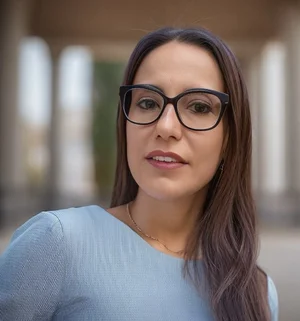
Marcia Manarin, Founder & CEO · 4 min read
Migration is a complex and often emotional topic. My aim here isn’t to offer solutions, but to share a personal reflection in the hope of adding empathy to the conversation.
It has been more than two decades since I moved to the UK from Brazil. In that time I’ve relocated several times: Berkshire, London, Hampshire, and back to London again. Like many, my story is one of circles, of movement, of change. My reason was work, opportunity and growth. For many others, it is a question of survival.
Some seek refuge from war, persecution or hopelessness. For them, crossing borders isn’t about ambition; it’s about staying alive. I often ask: why would someone leave everything they know unless they truly had no choice? I’m privileged in this sense. I had a choice. Many do not.
Belonging
Even now, I sometimes feel like a citizen of nowhere. I love this country. I live, work and contribute to it. But there are moments when I’m reminded, by stares, by silence, by systems, that to some I’ll always be “foreign”.
London, for all its vibrancy and diversity, is not immune to prejudice. When people feel left behind, economically or socially, they look for someone to blame, and migrants are often the easiest target.
One narrative I hear far too often is that people from certain countries “have nothing to offer”. It is a reductive and damaging view. It assumes a person’s worth is defined by their origin, rather than their potential, character or circumstances.
What people bring
Many people come here in search of a better life, leaving behind poverty, insecurity or a lack of opportunity. And when they arrive, they work. They contribute, often in roles the rest of us overlook or undervalue: care work, delivery, cleaning, construction and hospitality. These are the jobs that keep the country going, often behind the scenes.
It’s easy to dehumanise when you only see numbers.
Behind every statistic is a story
I’m reminded of The Crossing by Manjeet Mann, a powerful novel my daughter recommended to me when she was just 11. It tells the story of two teenagers, one fleeing war and the other confronting grief, whose lives intertwine across borders and across the English Channel. It’s a book I urge everyone to read.
Migration will always be complex. But at its heart, it is about people: about hope, and about choosing life in the face of fear. If my family were in danger, or facing poverty with hopes of a better life elsewhere, I would do exactly the same. After all, we are all people trying our best.
Inclusion starts with the person
Diversity and inclusion shouldn’t be corporate jargon or a tick-box exercise. They are about recognising our shared humanity, listening to lived experience, and making space for empathy and understanding. We can all play a part, in our workplaces, our schools and our communities. Inclusion starts with seeing the person, not just the label.
This is a personal reflection, shared as Founder & CEO of IncludHer CIC. These views do not represent my employer or the other organisations I serve as a trustee or volunteer.